Shopping Cart (0)
Close

No products in the basket.
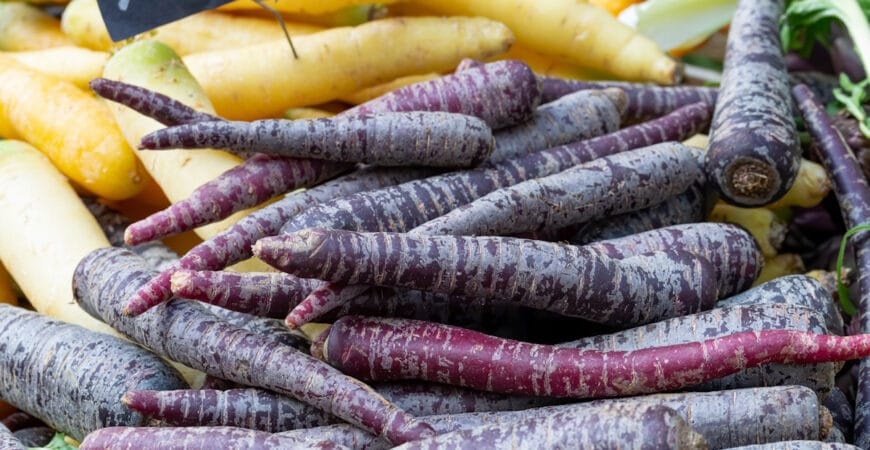
Purple fruit and vegetables are packed with goodness such as antioxidants and anti inflammatory compounds that boost natural health and maintains well-being.
What ever your favourite colour, purple is one that offers superfood properties so here is a list of our favourite purple superfoods.
Purple foods owe their vibrant color to a group of plant compounds known as anthocyanins, which are part of the flavonoid family of antioxidants. Here’s why purple foods are incredibly nutritious and beneficial for your health:
Anthocyanins: These antioxidants help reduce oxidative stress in the body, which can contribute to aging and various diseases like cancer, heart disease, and diabetes. They also help protect the body’s cells and tissues from damage.
Anthocyanins are particularly powerful because they also have anti-inflammatory properties, which can reduce the risk of chronic diseases and improve overall well-being.
The antioxidants found in purple foods have significant anti-inflammatory effects. Chronic inflammation is linked to many health issues, including heart disease, diabetes, and autoimmune disorders.
Eating purple foods can help calm inflammation in the body and lower the risk of inflammation-related diseases.
The antioxidants found in purple foods have significant anti-inflammatory effects. Chronic inflammation is linked to many health issues, including heart disease, diabetes, and autoimmune disorders.
Eating purple foods can help calm inflammation in the body and lower the risk of inflammation-related diseases.
The antioxidants found in purple foods have significant anti-inflammatory effects. Chronic inflammation is linked to many health issues, including heart disease, diabetes, and autoimmune disorders.
Eating purple foods can help calm inflammation in the body and lower the risk of inflammation-related diseases.
The antioxidants found in purple foods have significant anti-inflammatory effects. Chronic inflammation is linked to many health issues, including heart disease, diabetes, and autoimmune disorders.
Eating purple foods can help calm inflammation in the body and lower the risk of inflammation-related diseases.
The antioxidants in purple vegetables and fruits can help protect your skin from damage caused by UV rays, pollution, and free radicals. Regular consumption may help reduce wrinkles, improve skin texture, and promote a youthful complexion.
Purple foods like purple sweet potatoes, acai berries, and purple grapes are high in vitamins C and E, both of which are essential for collagen production and skin health.
Many purple foods are low in calories but high in nutrients, which makes them great for anyone looking to manage their weight. The fiber content helps you feel fuller longer, reducing the chances of overeating.
Some purple foods like purple carrots and purple potatoes contain high levels of carotenoids, particularly beta-carotene, which is beneficial for eye health. These nutrients can help reduce the risk of age-related macular degeneration and other vision problems.
The anthocyanins in purple foods have shown promise in laboratory studies as cancer-fighting agents. They have the potential to inhibit cancer cell growth and reduce the spread of tumors.
Purple foods such as purple cabbage and eggplant contain compounds like sulforaphane, which is known to have anti-cancer properties.
Many purple foods, especially berries like blackberries and acai, are packed with vitamin C, which is crucial for a healthy immune system. Vitamin C helps the body fight infections and supports the production of white blood cells.
Disease Prevention: The antioxidants and anti-inflammatory compounds found in purple foods may lower your risk of chronic diseases, such as heart disease, diabetes, and cancer.
Brain and Memory Support: Regular consumption of purple foods could help preserve brain function and memory as you age.
Skin and Eye Health: These foods are packed with nutrients that can help improve skin elasticity and reduce the risk of vision problems.
Digestive Health: The fiber content promotes good digestion and gut health.
Delicious and Diverse: Purple foods are delicious, diverse, and versatile. You can enjoy them in salads, smoothies, soups, or roasted as side dishes.
Incorporating more purple vegetables and fruits into your diet is an easy and delicious way to support your overall health. Whether you eat them raw, roasted, or blended, you’re not just adding color to your plate—you’re nourishing your body with powerful nutrients.

The only pick your own custom veg box company in the South. Tailor made food hampers specifically for you and your family.
Holmsley, New Forest