Shopping Cart (0)
Close

No products in the basket.
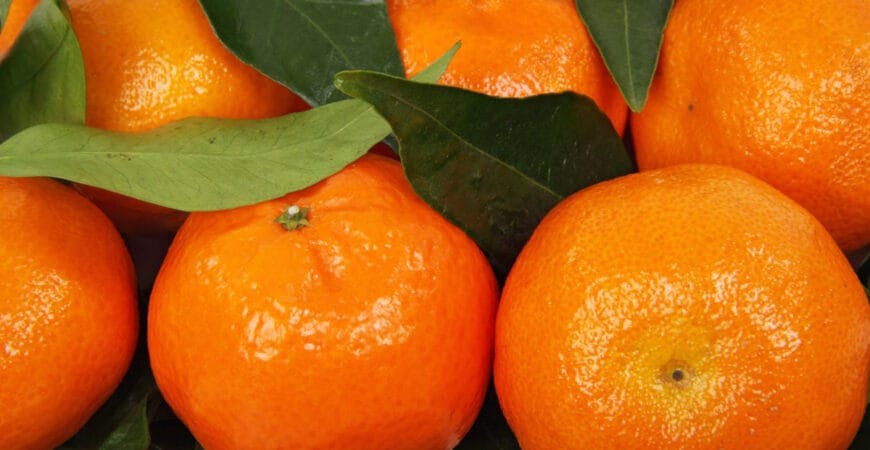
Clementines are a small, easy-to-peel citrus fruit that has gained popularity worldwide due to their sweet flavor, convenience, and health benefits. Whether you enjoy them as a quick snack or add them to salads, desserts, or smoothies, clementines are both delicious and nutritious.
Here’s everything you need to know about clementines for your blog post:
Clementines are a type of mandarin orange and are often referred to as “seedless tangerines.” They belong to the Citrus reticulata species, and their distinctively sweet and juicy flavor makes them a popular fruit, especially during the winter months. Their easy-to-peel skin and lack of seeds make them particularly appealing for snacking, especially for kids.
Clementines were first discovered in Algeria in the late 19th century by a French missionary named Father Clément Rodier, from whom they get their name. The fruit is believed to be a hybrid between a mandarin orange and a sweet orange.
After their discovery, clementines quickly spread to various parts of the Mediterranean, and today, they are cultivated in many regions around the world, including Spain, Morocco, Italy, California, and South Africa. The fruit is especially popular in Europe and the U.S., where it’s commonly enjoyed as a snack during the holiday season.
Clementines are not just sweet and juicy; they are also packed with essential nutrients that offer numerous health benefits. Here’s a breakdown of the key nutritional components:
Clementines are an excellent source of vitamin C, an essential nutrient that supports a healthy immune system, helps repair tissues, and promotes skin health. Just one clementine (about 74 grams) provides approximately 30 mg of vitamin C, which is about half of the recommended daily intake for adults.
Clementines are a low-calorie snack, making them a great option for anyone watching their weight. One clementine contains roughly 35-40 calories. Their natural sweetness can help satisfy sugar cravings without contributing to excess calorie consumption.
A single clementine contains about 1.5-2 grams of fiber, which helps support healthy digestion, maintain blood sugar levels, and promote satiety. The fiber in clementines can help prevent constipation and improve overall gut health.
Clementines contain various antioxidants, including flavonoids, such as hesperidin and anthocyanins, that have been shown to reduce oxidative stress in the body. These antioxidants can help lower the risk of chronic diseases like heart disease and diabetes by combating free radicals and reducing inflammation.
Potassium is an important mineral for maintaining healthy blood pressure, muscle function, and proper nerve signaling. A clementine contains approximately 130-150 mg of potassium, which helps support heart health by balancing sodium levels in the body.
Clementines contain natural sugars, mainly in the form of fructose, which provides a quick source of energy. The fruit has a low glycemic index (GI), meaning it won’t cause a rapid spike in blood sugar levels, making it a good option for people with diabetes or those looking to stabilize their energy throughout the day.
Loaded with nutritional value, clementines are great for a kids snack or any lunch box, here are a few reasons why they are good for our health:
Thanks to their high vitamin C content, clementines are great for boosting your immune system.
Vitamin C helps your body fight off infections, speed up recovery from illnesses, and reduce the severity of colds. Eating clementines regularly can help keep your immune system strong year-round.
The vitamin C in clementines also plays a crucial role in the production of collagen, a protein that helps maintain skin elasticity and prevent signs of aging. Eating clementines can contribute to healthier, more youthful-looking skin, as well as help protect against sun damage and other environmental stressors.
Clementines contain antioxidants like flavonoids, which are known to support heart health. The potassium in clementines also helps regulate blood pressure, while their high fiber content can help lower cholesterol levels, reducing the risk of cardiovascular disease. The fruit’s natural compounds may also help improve blood circulation.
The dietary fiber found in clementines is excellent for digestive health. It can promote regular bowel movements, prevent constipation, and support a healthy gut microbiome. Additionally, fiber can reduce the risk of digestive disorders like irritable bowel syndrome (IBS).
Clementines are made up of about 87% water, making them an excellent hydrating snack. Eating them can help replenish lost fluids and keep you hydrated, especially during warmer weather or after exercise.
Because clementines are low in calories and high in water and fiber, they can help you feel full and satisfied without adding excess calories. They can be a great addition to a weight-loss or weight-maintenance diet.
Clementines are versatile yet we associate them with Christmas. Here are a few ways to enjoy this fruit:
Fresh as a Snack: Peel and eat them raw for a quick, healthy snack.
Salads: Add segments to a salad for a burst of sweetness and color.
Smoothies: Blend them into a refreshing citrus smoothie with other fruits like bananas or berries.
Desserts: Incorporate them into desserts like sorbets, tarts, or citrus cakes.
Salsas and Sauces: Mix clementine segments with onions, cilantro, and jalapeños for a vibrant salsa. You can also use the juice in dressings or marinades.
Baked Goods: Add the zest or juice to muffins, cookies, or cakes for a citrusy twist.
Picking a clementine: Look for clementines that are firm, feel heavy for their size, and have smooth, vibrant skins. Avoid fruit with blemishes or soft spots.
Storing clementines: Store clementines at room temperature for up to a week, or in the refrigerator for up to two weeks.
To keep them fresh longer, store them in a perforated plastic bag to allow air circulation.
Clementines are not just a delicious, easy-to-eat fruit—they’re also packed with nutrients that provide a wide range of health benefits. Rich in vitamin C, fiber, and antioxidants, clementines can boost your immune system, improve your digestion, support heart health, and help you maintain a healthy weight.
Whether you enjoy them fresh, in smoothies, or as part of a savory dish, clementines are a tasty and nutritious addition to your diet.
Their convenience, sweet taste, and health benefits make them a must-have in your fruit bowl.

The only pick your own custom veg box company in the South. Tailor made food hampers specifically for you and your family.
Holmsley, New Forest